Introduction No one escapes the feeling of pressure every once in a while. Deadlines at work, personal issues with family members, and busy schedules are enough reasons to be on edge, and this is completely okay. Problems arise when the anxiety lingers much after its cause is gone. Insomnia, irritability, and the inability to cope …


Introduction
No one escapes the feeling of pressure every once in a while. Deadlines at work, personal issues with family members, and busy schedules are enough reasons to be on edge, and this is completely okay. Problems arise when the anxiety lingers much after its cause is gone. Insomnia, irritability, and the inability to cope with even the simplest of activities start to set in. You would only be researching therapies for stress because you’ve had enough of it already.
The article will cover the symptoms that one needs to look for to identify if the stress levels have gone beyond manageable limits, how stress management therapy functions in a session, the strategies followed by the counselors, and how to know when the right time is to seek help.
Key Takeaways
- Short bursts of stress are normal, but stress that lingers for weeks can affect your body, mood, and relationships.
- Professional support teaches you to spot triggers early and respond to them differently.
- Common methods include Cognitive Behavioural Therapy (CBT), mindfulness, and relaxation training.
- Progress looks different for everyone, so the plan should be shaped around your life.
Signs Stress Has Gone Beyond Everyday Pressure
It’s subtle, and one only realizes how much they have accumulated once daily living is affected. Some examples include:
- Physical: frequent headaches, tight shoulders, stomach trouble, or constant tiredness
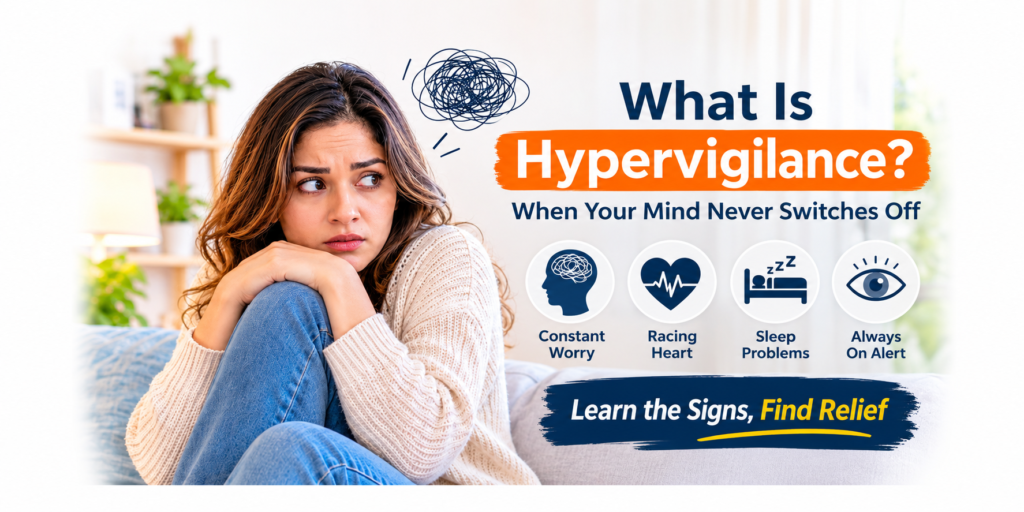
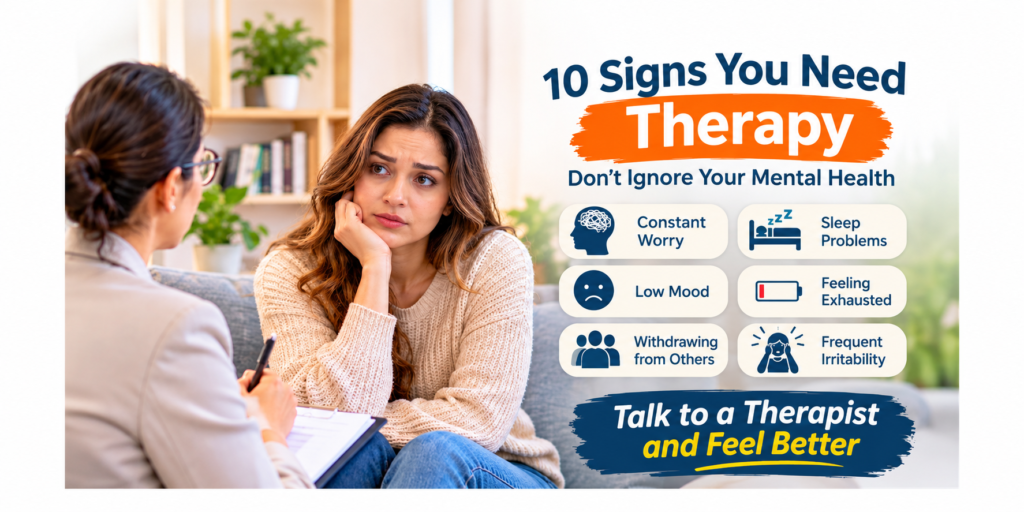
- Emotional: irritability, feeling overwhelmed, low mood, or worry that will not switch off
- Behavioural: poor sleep, snapping at people close to you, avoiding tasks, or leaning on caffeine, alcohol, or endless scrolling to cope
- Mental: trouble concentrating, forgetfulness, or replaying conversations again and again
With continuous stress, the body remains on alert, and prolonged periods of stress are associated with difficulties sleeping, anxiety, depression, and cardiovascular problems. Such symptoms may occur due to other diseases, therefore, it is necessary to consult with a doctor if there are any doubts about the cause of the symptoms.
How Stress Counselling Works in Practice
The first appointment is nothing more than a discussion. It will be discussed what is happening, when does the stress occur, and what should be different. There is no need to say anything that one does not feel like sharing.
From there, a typical path looks like this:
- Understanding triggers. You and your therapist map out situations, thoughts, and habits that raise your stress.
- Learning skills. You practise tools such as breathing techniques, reframing thoughts, and setting boundaries.
- Practising between sessions. Small tasks help you test what works.
- Reviewing progress. Your therapist adjusts the plan as your needs change.
Sessions normally last between 45 and 60 minutes and take place either once a week or every other week. While some clients who have straightforward goals may be ready within 12 sessions, others require more time. The objective of stress counseling is not about eliminating all stress from your life, but rather being better prepared for stress in the future.
Approaches Counsellors Commonly Use
Counsellors rarely rely on a single method. They choose from a few proven approaches, then combine them based on your triggers, habits, and goals.
| Approach | What it does | Often helpful for |
| Cognitive Behavioural Therapy | Helps you notice and reshape unhelpful thoughts | Overthinking, work pressure |
| Mindfulness based stress reduction | Trains attention on the present moment | A racing mind, constant tension |
| Relaxation training | Teaches breathing and muscle relaxation | Physical tension, sleep trouble |
| Problem solving and time planning | Breaks heavy demands into manageable steps | Overload, tight deadlines |
| Communication skills | Builds confidence in expressing needs | Relationship strain, boundary issues |
Chronic Stress Treatment: What a Plan Can Include
If stress is experienced for a couple of months, then usually just one resource will not be sufficient. Usually, an ideal strategy incorporates several components:
- Regular sessions with a qualified therapist
- Sleep and movement routines such as fixed bedtimes and a daily walk
- Social support from friends, family, or a peer group
- Medical input when symptoms are severe or other conditions are suspected
Counseling will be most effective in conjunction with, but not in place of, medical treatment where health is an issue. Should there ever come a point when you consider causing harm to yourself, immediately call the emergency services in your area.
Therapy for Stress or Self Help: How to Decide
For short-term problems like being busy with a certain project, self-help is usually sufficient. Keeping a journal, taking walks, and conversing with a close friend usually do the trick.
Consider professional support when:
- Stress has lasted more than a few weeks
- Sleep, work, or relationships are being affected
- You rely on unhealthy habits to get through the day
- You have tried to manage it alone and feel stuck
You don’t need to hit rock bottom first. Inquiring sooner rather than later tends to make things easier.
Conclusion
Stress is a part of life; however, being under constant pressure is not inevitable. Stress management therapy provides you with an opportunity to learn about the factors responsible for your stress and learn how to deal with them. Regardless of whether you opt for stress management therapy via the Internet or personally, and regardless of whether you opt for full chronic stress treatment, the end result will be one and the same: a calmer mind and easier days.
We at Your Journey to Resilience firmly believe that it is only through small and regular actions that long-term transformation happens. It does not mean that you have to correct everything right away; try one new way to cope with stress and discuss it with a professional once you are ready.
Frequently Asked Questions
What type of therapy is best for stress?
CBT is very common, as is mindfulness and relaxation training. The best choice will depend upon your triggers and your preference, but you can talk to your therapist about this in your first session.
How many sessions will I need?
It depends. While some individuals who have simpler objectives start feeling more confident after just a few weeks, others might take several months to achieve the desired results because of constant stress.
Can counselling help with anxiety and overthinking?
Yes. Techniques such as thought challenging, breathing techniques, and mindfulness can help ease racing thoughts and worries. If anxiety is extreme, you will be advised by your therapist to seek a medical consultation.
Do I need a diagnosis before starting?
No. One can get help whenever stress interferes with their sleep, mood, work, or social life. The therapist will look at your case and, in case of any other health problem, they will refer you to a doctor.
Is online therapy as useful as in-person sessions?
Many people do find online sessions suit them fine, especially for skill-based techniques such as CBT. Select the session that you will be able to participate in on a regular basis and feel free to speak up.
Take the First Step Toward Feeling Steadier
However, if stress is controlling your life, it is not necessary for you to fight alone. Contact a trained professional and start creating healthier coping mechanisms.